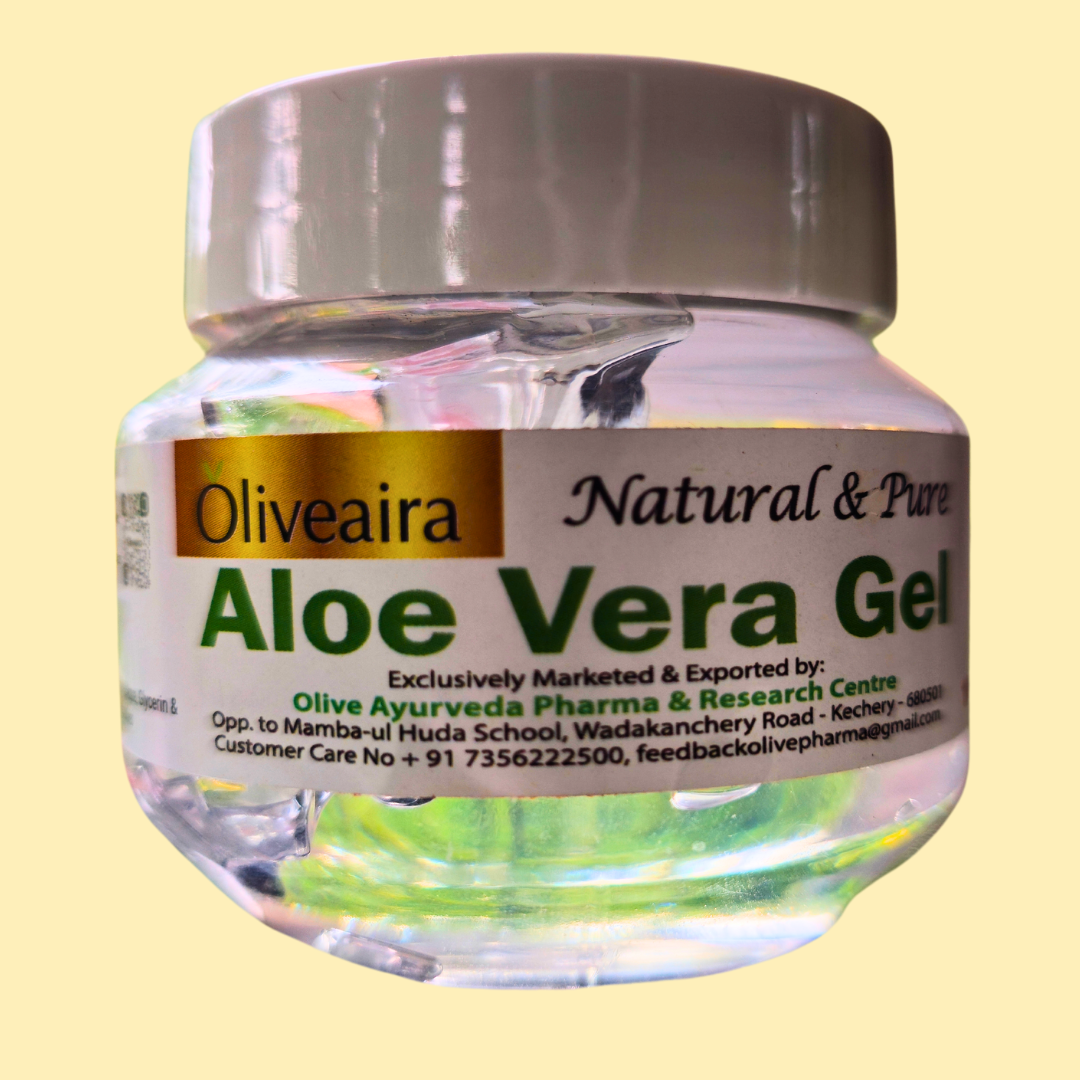
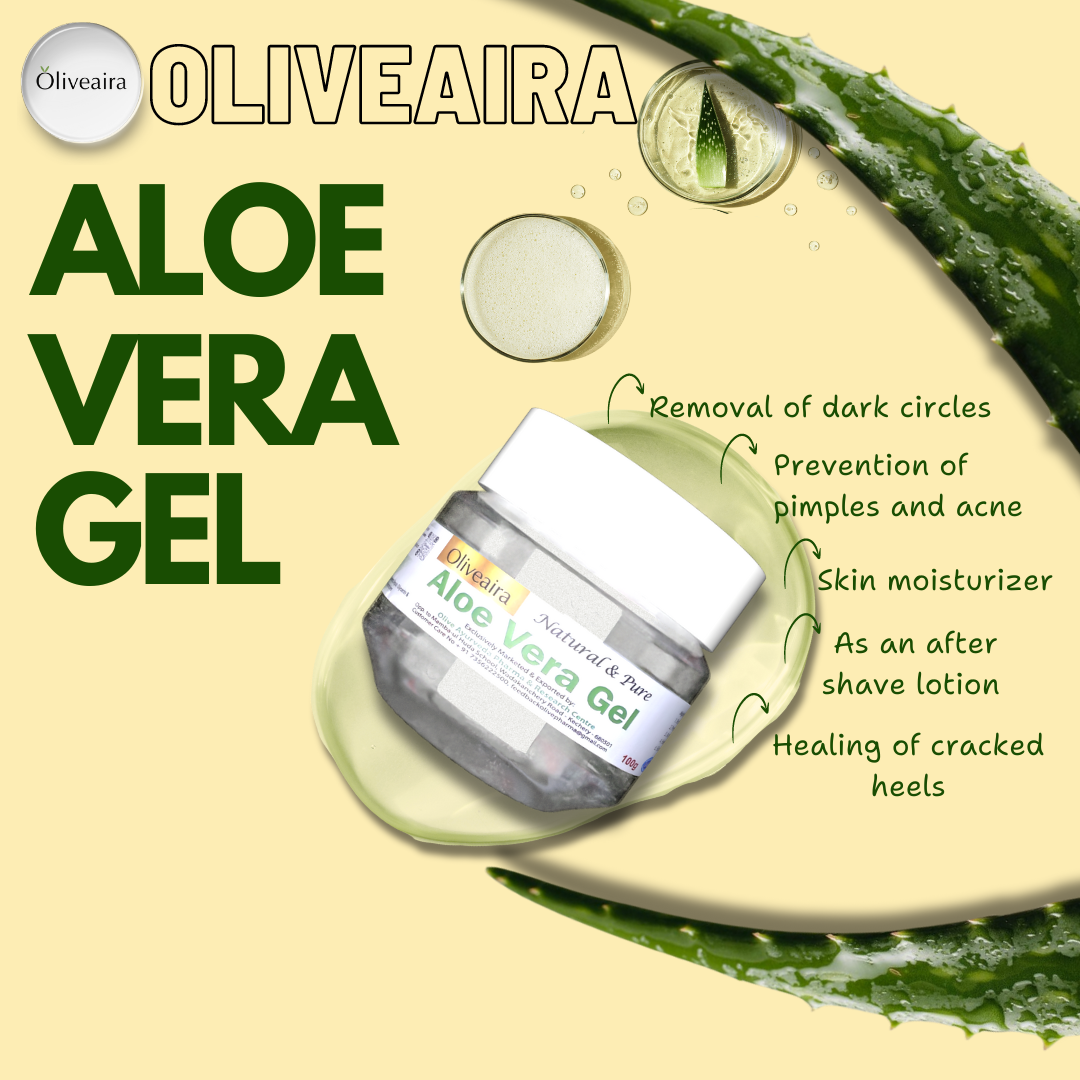
Aloe Vera Gel (250g)
£2.00
Description
Introduction to Aloe Vera
Aloe vera, a succulent plant belonging to the Asphodelaceae family, has been cherished for centuries due to its remarkable healing properties. This green powerhouse thrives in arid environments, predominantly in regions of Africa, the Mediterranean, and India. Known for its thick, fleshy leaves filled with a soothing gel, aloe vera has found its way into various medicinal and cosmetic applications throughout history, gaining recognition in both traditional and modern healthcare.
Today, aloe vera is available in various forms, such as gels, juices, and creams, catering to a wide range of health and wellness needs. The most celebrated form, aloe vera gel, is extracted directly from the plant’s leaves and is renowned for its topical applications. This gel is widely utilized for its anti-inflammatory, moisturizing, and wound-healing properties. With rising interest in natural remedies and holistic health, aloe vera gel has surged in popularity, found in everything from skincare products to dietary supplements.
The ongoing research into the phytochemical constituents of aloe vera continues to reveal its potential medicinal benefits. Compounds such as vitamins, enzymes, and polysaccharides contribute to its ability to promote healing and enhance skin health. As we delve deeper into the capabilities of aloe vera gel, its historical significance and contemporary relevance become increasingly evident, marking it as a significant element in the realm of natural healing.
Nutritional Profile of Aloe Vera Gel
Aloe vera gel, derived from the leaves of the Aloe vera plant, is renowned for its rich nutritional profile, which comprises an array of vitamins, minerals, enzymes, and bioactive compounds. One of the most notable characteristics of aloe vera gel is its high content of vitamins, particularly vitamins A, C, and E, which are known for their antioxidant properties. These vitamins play a critical role in protecting the body against oxidative stress and enhancing the immune response.
Moreover, aloe vera gel contains essential minerals such as calcium, magnesium, zinc, and selenium. These minerals are vital for various physiological functions, including maintaining bone health, supporting metabolic processes, and promoting proper enzymatic reactions within the body. The presence of these minerals contributes to the overall health benefits associated with regular consumption of aloe vera gel.
Additionally, aloe vera gel is rich in bioactive compounds such as polysaccharides, specifically acemannan, which is recognized for its immunostimulant and anti-inflammatory properties. This compound aids in promoting cellular regeneration and healing, which is particularly beneficial for skin health and wound recovery. Furthermore, the enzymes found in aloe vera gel, including amylase and lipase, assist in digestion by breaking down carbohydrates and fats, respectively. This enzymatic activity may contribute to improved gut health and enhanced nutrient absorption.
Another significant component of aloe vera gel is its amino acid content, which includes both essential and non-essential amino acids. These amino acids are integral to protein synthesis and can support muscle repair and growth. The combination of these nutritional elements highlights the holistic benefits of aloe vera gel, making it a valuable addition to one’s diet for promoting overall wellness. Therefore, understanding the rich nutritional profile of aloe vera gel encourages individuals to consider its incorporation into their daily health routines.
Health Benefits of Aloe Vera Gel
Aloe vera gel, derived from the leaves of the aloe vera plant, is recognized for its multifaceted health benefits, making it a staple in natural remedies and skincare. This succulent plant contains a rich composition of vitamins, minerals, and bioactive compounds that contribute to its healing properties. Among its most notable uses is skin care, where aloe vera gel serves as an effective moisturizer. It is known for its ability to soothe irritated skin, making it beneficial for treating conditions such as sunburn, eczema, and psoriasis. The gel’s anti-inflammatory properties can promote rapid healing by reducing redness and swelling.
In addition to its applications in dermatology, aloe vera gel is also valued for its potential digestive health benefits. Studies have suggested that consuming aloe vera can help alleviate gastrointestinal issues such as acid reflux and irritable bowel syndrome (IBS). The gel acts as a natural laxative, promoting regularity without the harsh effects of chemical alternatives. Furthermore, aloe vera has been found to enhance the gut microbiome, thereby supporting overall digestive health.
Aloe vera’s immune-supporting properties have garnered significant attention in scientific research as well. The plant contains several polysaccharides that assist in modulating the immune response, potentially increasing the body’s resilience to infections. Anecdotal evidence and preliminary studies suggest that regular consumption of aloe vera gel may lead to improved overall health and well-being by supporting immune function.
In summary, the health benefits of aloe vera gel are extensive, spanning skincare, digestive health, and immune support. Its natural properties and versatility make it a remarkable remedy in both traditional and contemporary practices. As research continues to unfold, the scientific community’s understanding of aloe vera’s efficacy will only deepen, further establishing it as a valuable resource for holistic health.
How to Use Aloe Vera Gel
Aloe vera gel is a versatile natural product that can be incorporated into daily routines in various ways to harness its healing properties. One of the most common applications is topical use for skin issues. The gel can be applied directly to sunburns, minor cuts, and irritations. To use it effectively, simply extract fresh gel from the aloe vera leaf and apply a thin layer to the affected area. The soothing effects can provide immediate relief while promoting healing. Additionally, aloe vera gel can be blended with essential oils or other natural ingredients, such as coconut oil or honey, to create personalized skincare remedies.
For hair care, aloe vera gel serves as a natural conditioner and moisturizer. It can be applied directly to the scalp to alleviate dryness and flakiness. To enhance hair health, mix aloe vera gel with other beneficial ingredients like olive oil or yogurt and use it as a hair mask. Leave the mixture on for about 30 minutes before rinsing it off to enjoy softer, shinier hair. Regular use can also help with dandruff and promote hair growth, making it a valuable addition to personal grooming routines.
Aloe vera gel can also be consumed for digestive benefits. While it is crucial to ensure that the gel is suitable for ingestion, adding a small amount to smoothies or juices can enhance digestion and provide a nutrient boost. When incorporating aloe vera gel into diets, it is advisable to start with a small dosage to assess individual tolerance. Consulting a healthcare professional before consumption is recommended, especially for those who have pre-existing health conditions or are pregnant. By following these practical tips, individuals can safely and effectively enjoy the numerous benefits of aloe vera gel in their daily lives.
Potential Side Effects and Precautions
Aloe vera gel is renowned for its numerous health benefits, but users should be aware that it may also present certain side effects and precautions that necessitate attention. Although generally regarded as safe for topical application, some individuals might experience allergic reactions. Symptoms may include redness, itching, or a burning sensation on the skin. To minimize the risk of adverse effects, it is advisable to perform a patch test by applying a small amount of the gel to a discreet area and observing for any reaction over 24 hours before proceeding with broader usage.
Internally, the consumption of aloe vera gel is subject to stricter caution. Some individuals may experience gastrointestinal discomfort, diarrhea, or cramping when ingesting the product. Therefore, it is essential to consult a healthcare professional, particularly for pregnant or breastfeeding women, as well as for those with pre-existing medical conditions or those taking medications. The safety of aloe vera consumption has not been sufficiently established among these groups due to potential interactions with medications or complications arising from certain health conditions.
Furthermore, proper sourcing of quality aloe vera products is crucial. Consumers should prioritize certified organic and thoroughly processed gels to ensure purity and effectiveness. Choosing products that contain high concentrations of pure aloe vera, while avoiding those with added chemicals or preservatives, can significantly enhance safety and efficacy. For individuals seeking to incorporate aloe vera into their routines, adhering to recommended dosages is essential; for instance, guidance typically suggests starting with a small amount, gradually increasing as tolerated.
In conclusion, while aloe vera gel offers remarkable benefits, awareness of potential side effects, allergic reactions, and safe usage practices will enable users to achieve a positive experience with this natural remedy.
Additional information
| Weight | 250 g |
|---|---|
| Weight | 250g |


Reviews
There are no reviews yet.